Optimal Timing for Leaf Raking
Leaf rakings are a common yard maintenance activity that typically occurs during specific seasons when deciduous trees shed their leaves. Timing is crucial to ensure efficient cleanup and to prevent damage to lawns and garden beds. Understanding the optimal periods for leaf rakings can help maintain a healthy and tidy outdoor space.
Most leaf rakings occur in the fall when trees shed their leaves rapidly, creating a thick layer that needs removal.
Beginning of leaf fall is an ideal time to start raking to prevent leaves from becoming compacted or decomposing on the ground.
Final raking before winter helps clear remaining leaves, reducing potential damage and pest habitats.
Some prefer to do a final rake after all leaves have fallen to prepare the yard for winter or winterizing activities.
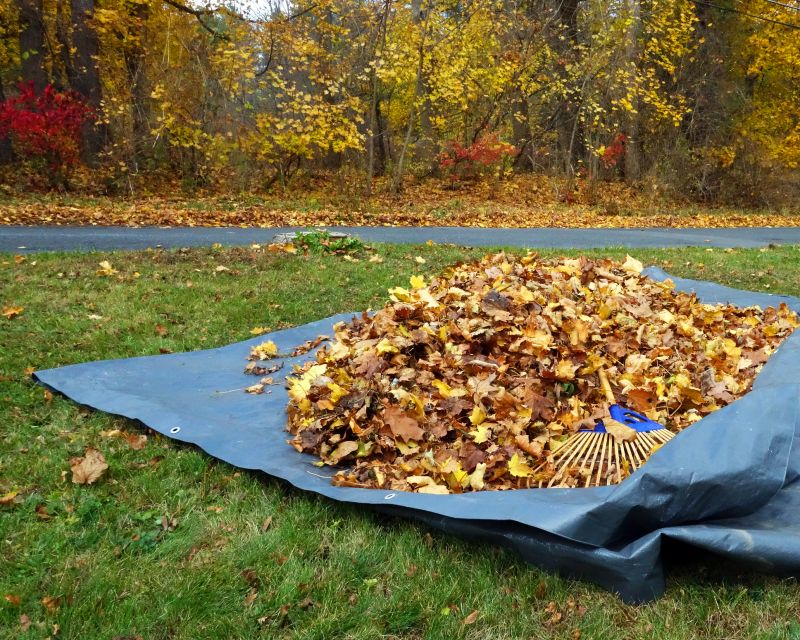
Ways to make Leaf Rakings work in tight or awkward layouts.
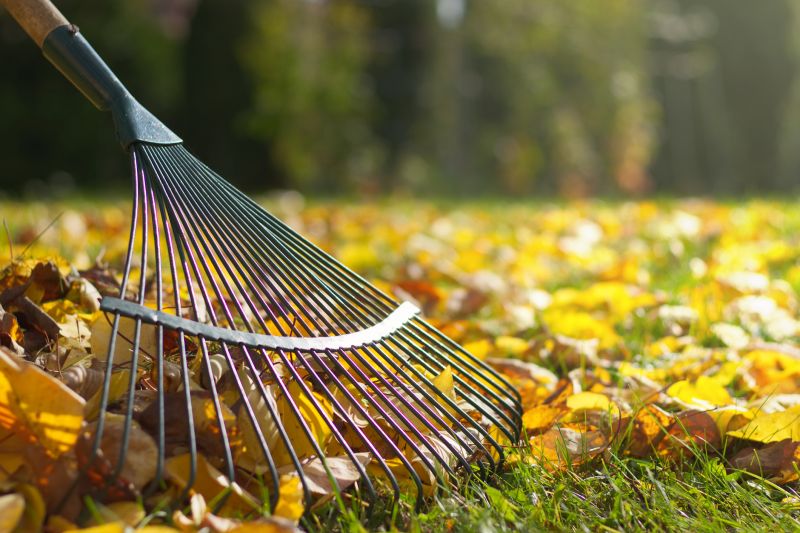
Popular materials for Leaf Rakings and why they hold up over time.
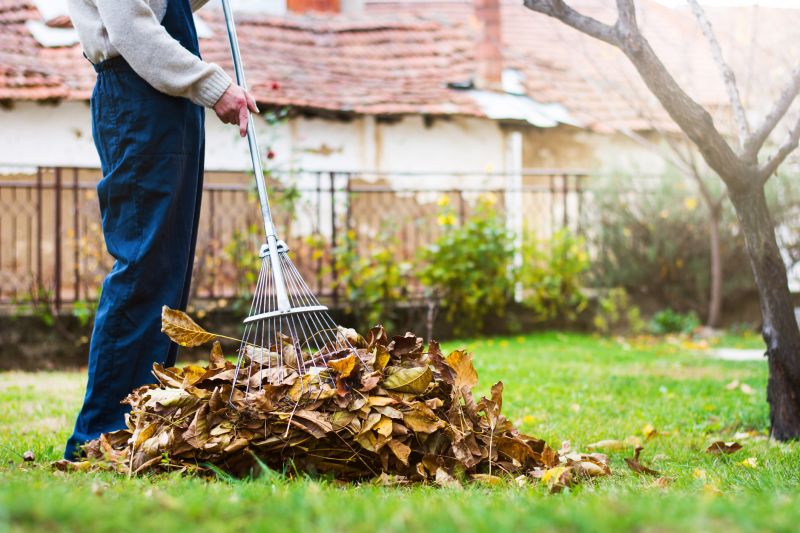
Simple add-ons that improve Leaf Rakings without blowing the budget.
High-end options that actually feel worth it for Leaf Rakings.

Finishes and colors that play nicely with Leaf Rakings.

Little measurements that prevent headaches on Leaf Rakings day.
Leaf rakings involve gathering fallen leaves from lawns, gardens, and pathways to maintain aesthetic appeal and prevent issues such as mold, pests, or damage to grass. The process can be labor-intensive, especially during peak leaf fall, but it is essential for yard health. Proper timing ensures that leaves are manageable and do not cause long-term problems for landscape health or aesthetics.
| Season | Optimal Raking Period |
|---|---|
| Early Fall | Start raking as leaves begin to fall to prevent accumulation. |
| Mid Fall | Peak leaf drop, ideal for regular raking sessions. |
| Late Fall | Final raking before winter to clear remaining leaves. |
| Post-Season | Optional cleanup after all leaves have fallen. |
| Spring | Light raking to remove lingering leaves and debris. |

A 60-second routine that keeps Leaf Rakings looking new.
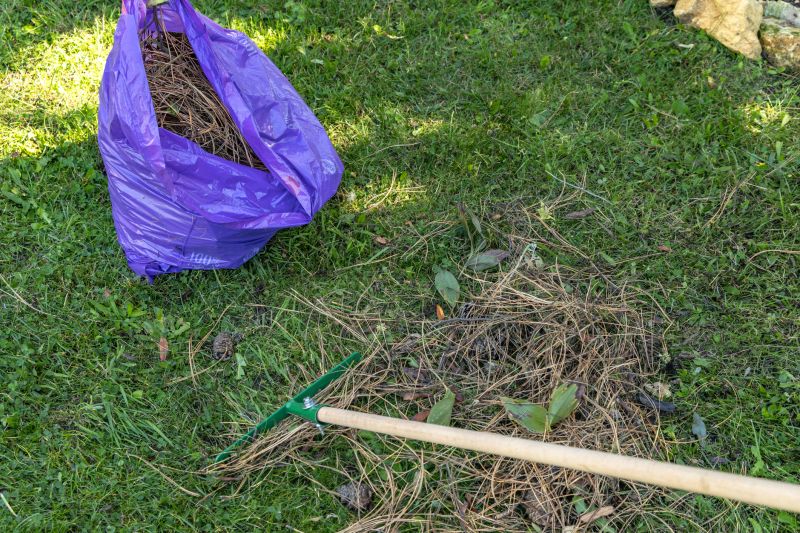
A frequent mistake in Leaf Rakings and how to dodge it.
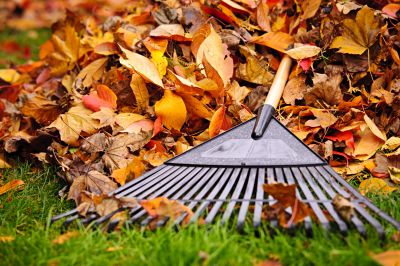
Small tweaks to make Leaf Rakings safer and easier to use.
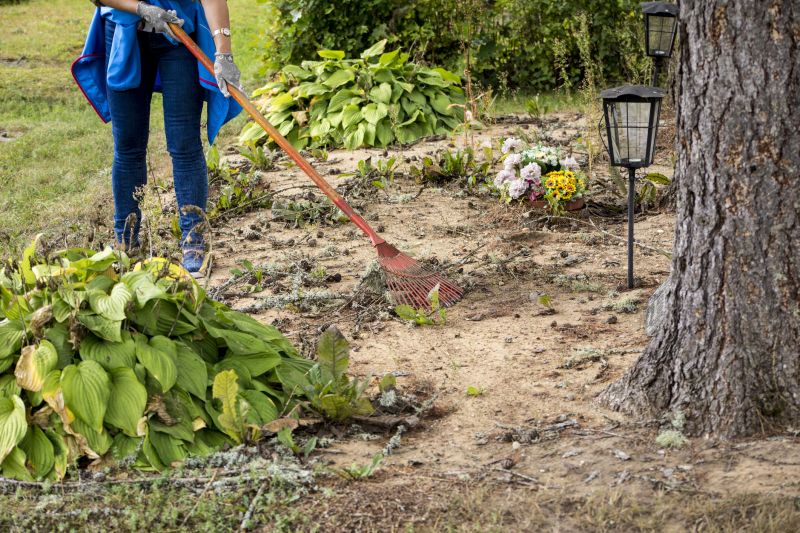
Lower-waste or water-saving choices for Leaf Rakings.
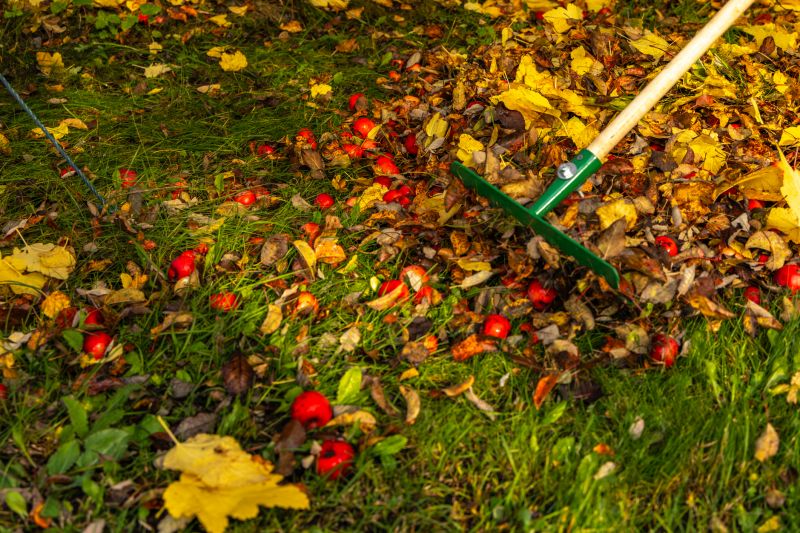
The short, realistic tool list for quality Leaf Rakings.
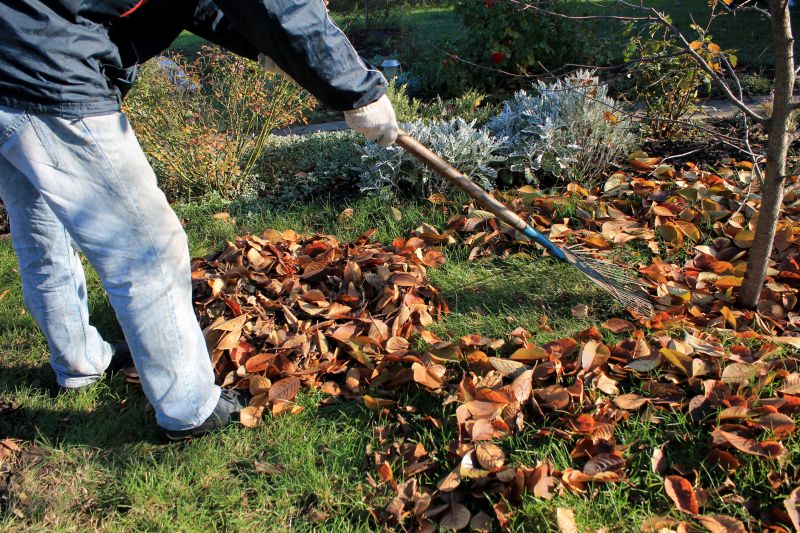
Rough timing from prep to clean-up for Leaf Rakings.
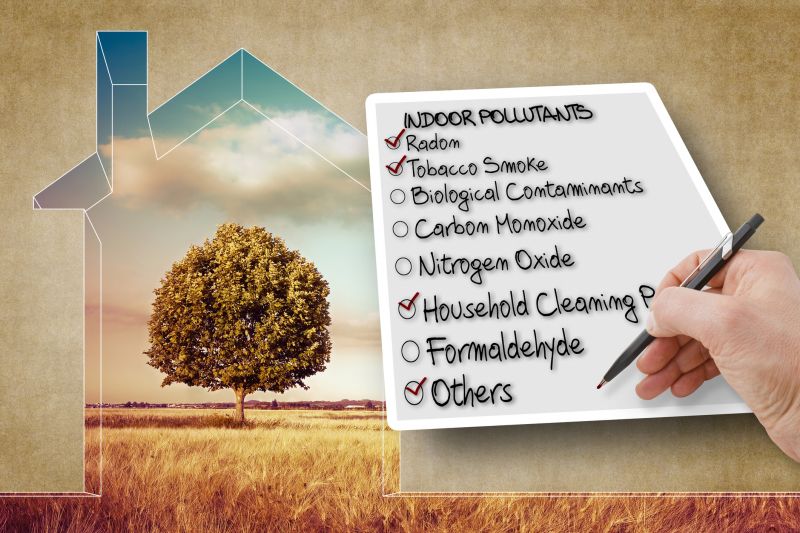
Quick checks and paperwork to keep after Leaf Rakings.
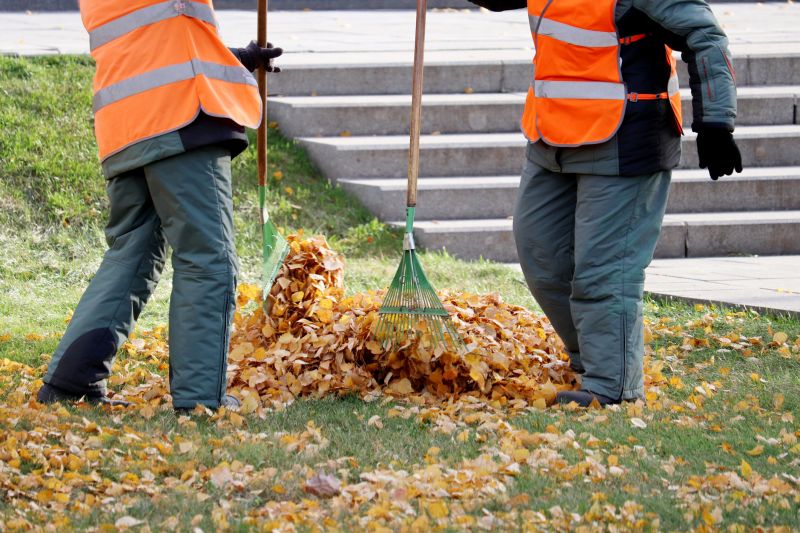
Examples that show the impact a good Leaf Rakings can make.
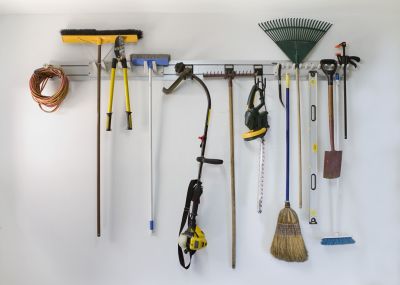
Ways to make Leaf Rakings work in tight or awkward layouts.

Ways to make Leaf Rakings work in tight or awkward layouts.
Timing leaf rakings appropriately can improve yard appearance and health. Regular removal during peak periods prevents leaves from smothering grass and plants, reducing the risk of disease. Additionally, timely cleanup helps prevent pests and mold from developing in decomposing leaves, contributing to a healthier landscape.
Maintains lawn health, prevents pest habitats, and enhances yard aesthetics.
Use rakes, leaf blowers, or collection bags for efficient cleanup.
Leaves can be composted, mulched, or bagged for disposal.
Proper disposal prevents leaves from clogging drains or creating hazards.